
The allure of gambling: Understanding player motivation
Gambling has captivated individuals for centuries, driven by complex psychological needs that vary from person to person. The thrill of risk-taking, the excitement of potentially winning, and the social interaction that comes with playing casino games are significant motivators. Many players are drawn to gambling as a form of entertainment or escape from daily life, seeking a break from routine while enjoying options like crypto casino instant withdrawal services that enhance their experience. This desire for excitement can be further amplified by personal experiences and cultural influences, indicating that motivations can be deeply intertwined with an individual’s background and life circumstances.
Furthermore, the casino environment is meticulously crafted to enhance the player’s experience. The vibrant colors, the enticing sounds of slot machines, and the strategic layout of the gaming floor are all designed to engage the senses and evoke feelings of excitement and urgency. This sensory overload can lead players to lose track of time and money, immersing them in a world where the boundaries between reality and fantasy often blur. Such an environment encourages prolonged engagement, further fueling the motivation to play as individuals become engrossed in the atmosphere.
Another essential aspect of player motivation relates to the psychological phenomenon of ‘loss aversion.’ Research indicates that people are more driven to avoid losses than to seek gains, which profoundly impacts gambling behavior. When players experience losses, the urge to continue playing and recoup those losses can become overwhelming. This behavior often leads them into a cycle of “chasing losses,” where the initial intention to gamble responsibly gives way to a desperate attempt to win back lost money. Recognizing these underlying motivations is key to understanding the complexities of player behavior in casinos.
The role of cognitive biases in gambling behavior
Cognitive biases play a significant role in how players interpret odds and make decisions in gambling scenarios. One prevalent bias is the ‘gambler’s fallacy,’ where individuals mistakenly believe that past outcomes influence future results. For instance, a player might think a slot machine is “due” for a win after a series of unsuccessful attempts, leading to continued play despite the odds remaining unchanged. This faulty reasoning can cause players to make irrational decisions, often resulting in increased losses and frustration.
Additionally, ‘confirmation bias’ affects how players perceive their gambling experiences. This bias leads individuals to focus on information that confirms their beliefs while disregarding evidence that contradicts them. For instance, a player who wins a small jackpot may attribute their success to a specific strategy or a lucky charm, ignoring the many instances where they lost without such strategies. This selective focus on positive outcomes reinforces their gambling behavior and can keep them engaged even when their financial wellbeing is at stake.

The reinforcement schedules employed by casinos also significantly impact player behavior. Through a variable ratio reinforcement system, where wins occur unpredictably, players remain engaged and hopeful for future victories. This unpredictability adds an element of suspense that can be exhilarating, compelling players to return to gaming tables or machines despite the inherent financial risks. Understanding these cognitive biases provides valuable insights into why players behave as they do in the gambling environment.
The impact of social dynamics on gambling behavior
Social dynamics are pivotal in shaping gambling behavior, as many individuals engage in gaming activities within group settings. The concept of ‘social facilitation’ suggests that players may gamble more aggressively when surrounded by others, as peers can provide encouragement and validation for their choices. This group dynamic can intensify wagering behaviors, as individuals feel pressured to match their friends’ enthusiasm or demonstrate their gambling prowess. The desire to fit in can lead to increased spending and risk-taking, which may not occur in solitary play.
The sense of belonging fostered in a casino environment is another vital aspect of social dynamics. Many individuals are drawn to casinos not only for the gambling but also for the social interactions they facilitate. The shared experiences of winning or losing can create a sense of community among players. This camaraderie enhances the enjoyment of the gambling experience, potentially leading players to stay longer and spend more. The social aspect of gambling taps into fundamental human needs for connection and validation, often overshadowing the financial implications of their actions.
However, social dynamics can also lead to adverse behaviors. Peer pressure and the desire to conform can encourage players to engage in risky gambling practices, spending beyond their means. In some social circles, gambling may be normalized, resulting in a desensitization to the financial consequences associated with excessive play. Understanding these social influences is crucial in recognizing how they impact gambling behavior and contribute to potential problems related to gambling addiction.
The neurological effects of gambling
The role of the brain in gambling behavior is significant, as neurobiological factors heavily influence decision-making and emotional responses. Research indicates that gambling activates the brain’s reward system, releasing dopamine—a neurotransmitter linked to pleasure and reward. When players experience wins, even minor ones, their brains respond positively, reinforcing the desire to continue gambling. This neurochemical reaction creates a cycle where individuals seek to replicate the pleasurable feelings associated with winning, which can lead to repeated gambling behaviors over time.
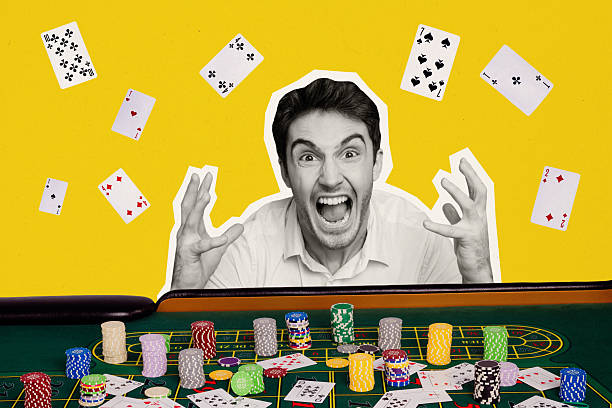
The anticipation of potential rewards also plays a crucial role in the gambling experience. The brain processes the excitement of waiting for a win, often finding the anticipation rewarding in itself. This psychological element drives players to return to casinos, as the thrill of the unknown continues to captivate them. Understanding the neurological underpinnings of gambling can clarify why players frequently underestimate risks while overestimating their chances of success, leading to a disconnect between rational decision-making and emotional impulses.
Moreover, the consequences of excessive gambling can mirror those seen in substance addictions, highlighting the potential for maladaptive changes in brain function. Players who engage in gambling excessively may develop a tolerance, requiring more significant risks or larger losses to achieve the same level of excitement. This understanding of the neurological effects of gambling is vital for addressing the complexities of gambling behavior and identifying individuals who may be at risk for developing harmful habits.
Understanding responsible gambling and support resources
As the knowledge of the psychological aspects of gambling expands, so does the emphasis on promoting responsible gambling practices. It is essential for players to be aware of the potential risks associated with gambling, as well as their motivations and behaviors. Responsible gambling initiatives advocate for players to establish personal limits on spending and playtime, ensuring that gambling remains a form of entertainment rather than a source of distress or addiction. Such measures can help individuals maintain control over their gaming activities and foster a healthier relationship with gambling.
Various resources and support systems are available to assist those struggling with gambling-related issues. Organizations offer counseling, support groups, and educational programs to help individuals understand their gambling behaviors and the potential consequences. By creating an environment where seeking help is normalized, the stigma surrounding problem gambling can be alleviated, encouraging more individuals to reach out for assistance. These resources are crucial for fostering awareness and understanding of gambling addiction and its effects.
Ultimately, comprehending the psychology behind casino games and player behavior can lead to more informed choices and healthier gambling practices. By promoting responsible gambling initiatives and providing access to support resources, both players and operators can contribute to a safer gaming environment. This focus on enjoyment and responsible play can help ensure that gambling remains a fun and engaging activity without compromising the well-being of individuals involved.